
A lot of local businesses begin the same way: good work, word of mouth, an Instagram account, and a phone that keeps the business moving.
That can be enough to build a following. It is not always enough to build a foundation.
When someone hears your name and wants to learn more, they usually search. They want to know what you offer, where you work, whether you look established, and how to contact you. If clear answers are hard to find, the next business is one tap away.
A website gives your business a home you control. A consistent brand makes that home recognizable wherever people encounter you. You need both.
Your Instagram is a channel, not your headquarters.
Social media is useful. It helps you show recent work, stay visible, talk with customers, and build a community around the business.
But the platform controls how that content is shown. Reach changes. Features change. Older posts move down the feed, and a potential customer may need to scroll through months of content just to understand the offer.
Your website serves a different purpose. It can organize services, answer common questions, show the strongest work, and guide a visitor toward one clear next step. It also gives you a permanent link for Instagram, your Google Business Profile, proposals, email signatures, print pieces, and advertising.
Social media can begin the conversation. Your website gives that conversation somewhere to go.
A website helps a customer make a decision.
A good website is not just an online flyer. Its job is to reduce uncertainty.
Within a few moments, a visitor should be able to understand:
- What you do
- Who you serve
- Where you work
- Why your business is a good fit
- What they should do next
For a Coachella Valley business, that may mean dedicated pages for weddings, events, home services, photography, or commercial work. It may mean clearly naming the communities you serve, such as Indio, Palm Desert, La Quinta, Coachella, or Palm Springs.
Separate pages give each service room to be explained properly. They also create clearer paths for customers and a better foundation for search engines to understand the business.
Search needs something useful to find.
A social profile can support discovery, but an owned website lets you publish focused pages about the services, questions, locations, and proof that matter to your customers.
Google explains that a page must be accessible, return a successful response, and contain indexable content to be eligible for indexing. Crawlable links and a sitemap help search engines discover the pages a site considers important. None of that guarantees rankings. It creates the technical and editorial foundation from which visibility can grow.
The point is not to make a hundred thin pages. The point is to create useful pages with a distinct purpose, clear language, and information grounded in real experience.
Consistent branding makes a business recognizable.
A brand is more than a logo. It is the combination of your name, visual style, photographs, colors, language, promises, and customer experience. Consistency is what connects those pieces.
Imagine seeing one version of a business on Instagram, another on its website, and a third on printed material. Different colors, different service descriptions, different tone. Every individual piece may look fine, but the full experience feels disconnected.
Consistency removes that friction. When the same name, tone, imagery, and central message appear across each customer touchpoint, the business becomes easier to recognize and understand.
Consistency does not mean every post or page must look identical. It means every piece should feel like it came from the same business.
Your website and brand should tell the same story.
A strong brand without a useful website can be difficult to find or understand. A functional website without a clear brand can feel generic and forgettable.
The two should work together. Your brand helps someone recognize you. Your website helps that person trust you and take action.
That connection matters even more when you invest in photography, video, advertising, search work, or printed materials. Each piece works harder when it leads back to one clear identity and one reliable source of information.
Before creating more content, ask one simple question: if someone moves from a social post to our website, does it feel like the same business?
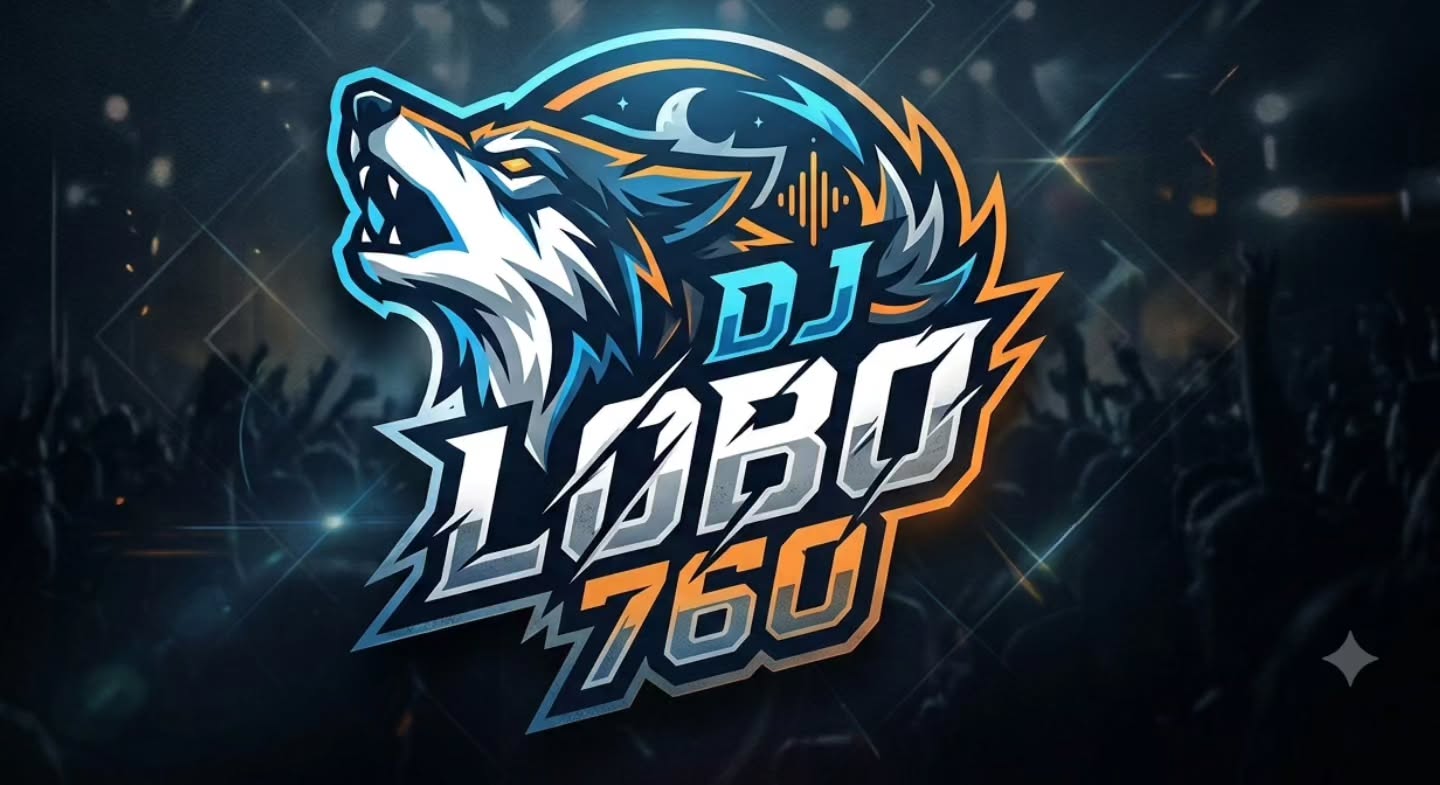
DJ Lobo 760
DJ Lobo already had an established local name, an active Instagram presence, and a following built through real events and word of mouth. What he did not have was a dedicated website.
We built his first mobile-first site and organized DJ entertainment, live music, photo booths, and event information into one owned home. This does not replace the reputation or social following. It supports both.
This is the beginning of a six-month study, not a finished success story. We will document what changes and what does not.
A practical website and brand checklist.
Before spending more on marketing, review the foundation.
Website essentials
- A domain the business controls
- A clear opening statement
- Dedicated pages for main services
- Accurate service-area and contact details
- A mobile-friendly layout
- Real examples of the work
- A clear action on every important page
- Search Console, analytics, and a sitemap
Brand essentials
- One business name used everywhere
- A primary logo and simple usage rules
- A defined color and type system
- Photography that reflects the real work
- A consistent tone of voice
- The same central offer across platforms
- Matching contact and business details
- Social profiles that lead back home
Build a home for the reputation you have earned.
Many local businesses already have the hardest part: good work, real relationships, and a name people recognize.
The website and brand should make that reputation easier to find, understand, and share. Start with clarity. Give every main service a proper place. Make the business look and sound consistent. Connect social media, search, referrals, and marketing to one owned destination.
Then measure what happens.
If your business has outgrown an Instagram-only presence, explore our web design, brand and content, and local SEO work.
Search guidance referenced in this note: Google Search technical requirements, crawlable link guidance, sitemap guidance, and people-first content guidance.